 Creating a mentorship program in your workplace can significantly enhance employee engagement, boost productivity, and foster a culture of continuous learning. A well-structured mentorship program pairs experienced employees (mentors) with less experienced ones (mentees) to facilitate knowledge transfer, professional development, and career growth. Here are some steps to help you establish an effective mentorship program:
Define Objectives and GoalsStart by defining the objectives and goals of your mentorship program. What do you hope to achieve? Common goals include improving employee skills, increasing job satisfaction, and preparing future leaders. Clear objectives will help guide the program’s design and implementation and provide measurable outcomes to assess its success. Secure Management SupportManagement buy-in is crucial for the mentorship program’s success. To secure their support, present your objectives, expected benefits, and a detailed plan to the leadership team. Management can help provide necessary resources, promote the program, and encourage participation. Design the Program StructureDesign a structure that outlines how the mentorship program will operate. Consider the following elements:
Monitor and EvaluateRegularly monitor the mentorship program’s progress to ensure it meets its objectives. Collect feedback from participants through surveys or interviews to identify areas for improvement. Track key metrics such as employee engagement, skill development, and retention rates to measure the program’s impact. Provide Ongoing SupportOffer ongoing support to mentors and mentees throughout the program. Schedule periodic check-ins to address any challenges and provide additional resources as needed. Recognize and celebrate successful mentorship pairs to highlight the program’s positive impact. Adapt and ImproveBased on the feedback and evaluation results, make necessary adjustments to improve the mentorship program. Continuously refine the structure, resources, and matching process to meet the needs of participants and the organization.
0 Comments
 As golfers, we constantly strive to improve our game and master the perfect swing. While practice and dedication are essential, having the right golf gear can significantly impact your performance on the course.
Swing Analyzers Swing analyzers are invaluable tools for improving your swing mechanics. These devices use advanced sensors to track your swing motion, club head speed, and other crucial data. The insights gained can help you identify areas for improvement and make necessary adjustments. Putting Mats Enhance your putting skills with mats replicating the feel and speed of real greens. Consistent practice on these mats can refine your putting technique and boost your confidence. Alignment Sticks Alignment sticks are simple yet effective tools for perfecting your alignment and ball position during setup. These rods are versatile and can be used for various practice drills to reinforce correct swing mechanics. Launch Monitors For golfers serious about improving their swing, launch monitors provide comprehensive data on ball flight and swing characteristics. Analyzing this information can help you fine-tune your swing and optimize club selection. Impact Bags Impact bags are soft bags designed to be struck with the club during practice swings. Using an impact bag helps you focus on the proper position and feeling at impact, leading to a more consistent and powerful swing. Swing Trainers Swing trainers are specialized devices that assist in developing the correct swing motion. They come in various forms, from weighted clubs to hinged training aids, each designed to reinforce proper mechanics and build muscle memory. Golf GPS Watches Golf GPS watches offer precise distance measurements to greens, hazards, and other landmarks on the course. Accurate yardage data enables better club selection and helps you strategize your shots for improved performance. Golf Simulators Golf simulators bring the course to your home or indoor facility. These sophisticated systems offer virtual rounds of golf, complete with accurate ball flight analysis, providing ample opportunities for honing your skills during inclement weather or off-season. By incorporating these must-have golf training aids and gadgets into your practice routine, you can accelerate your progress and enjoy a more rewarding and enjoyable golfing experience.  Scaling a cannabis business can be challenging but essential to building a successful brand. Entrepreneurs seek ways to differentiate themselves and expand their reach as the industry grows. In this article, we’ll explore some lessons from successful cannabis entrepreneurs on how to scale your cannabis business.
Focus on Quality One of the essential lessons from successful cannabis entrepreneurs is the importance of focusing on quality. Building a reputation for high-quality products and services can help you differentiate yourself. Additionally, prioritizing quality can help you build a strong brand and reputation in the industry, which can be critical for scaling your business. Build a Strong Team Building a solid team is another essential aspect of scaling your cannabis business. Successful entrepreneurs emphasize hiring talented, committed employees who share their vision and values. Investing in training and development can help build a skilled and knowledgeable workforce to help you achieve your business goals. Leverage Technology Technology is increasingly vital in the cannabis industry, and successful entrepreneurs leverage technology to scale their businesses. From point-of-sale systems to compliance software, technology can help you streamline your operations, improve efficiency, and stay compliant with regulations. Additionally, technology can help you collect and analyze data to make informed business decisions and identify growth opportunities. Partner with Other Businesses Partnering can be a powerful tool for scaling your cannabis business. Successful entrepreneurs emphasize the importance of building strategic partnerships with complementary companies, such as dispensaries, cultivators, and manufacturers. These partnerships can help you expand your reach, tap into new customer segments, and build a more diverse and resilient business. Embrace Innovation Innovation is a critical aspect of scaling your cannabis business. Successful entrepreneurs are always looking for new and innovative ways to differentiate themselves and meet the needs of their customers. This may include developing new products and services, investing in research and development, or exploring new applications for cannabis-based products. Prioritize Compliance Compliance is a critical aspect of scaling your cannabis business, and successful entrepreneurs emphasize the importance of staying current on regulations and compliance requirements. This may include investing in compliance software, hiring a compliance officer, or partnering with a compliance consultant. Prioritizing compliance can help you avoid legal and regulatory issues that can slow down your growth and damage your reputation. Stay Focused on Your Goals Finally, successful cannabis entrepreneurs emphasize the importance of staying focused on your goals as you scale your business. Have a clear business vision and a plan for achieving your goals. Additionally, it’s important to stay agile and adaptable as you grow and to be willing to make changes and pivot your strategy as needed. Scaling a cannabis business requires creativity, strategic thinking, and a commitment to building a strong brand and customer base. By focusing on quality, creating a solid team, leveraging technology, partnering with other businesses, embracing innovation, prioritizing compliance, and staying focused on your goals, you can make a successful and scalable cannabis business in this exciting and rapidly growing industry. 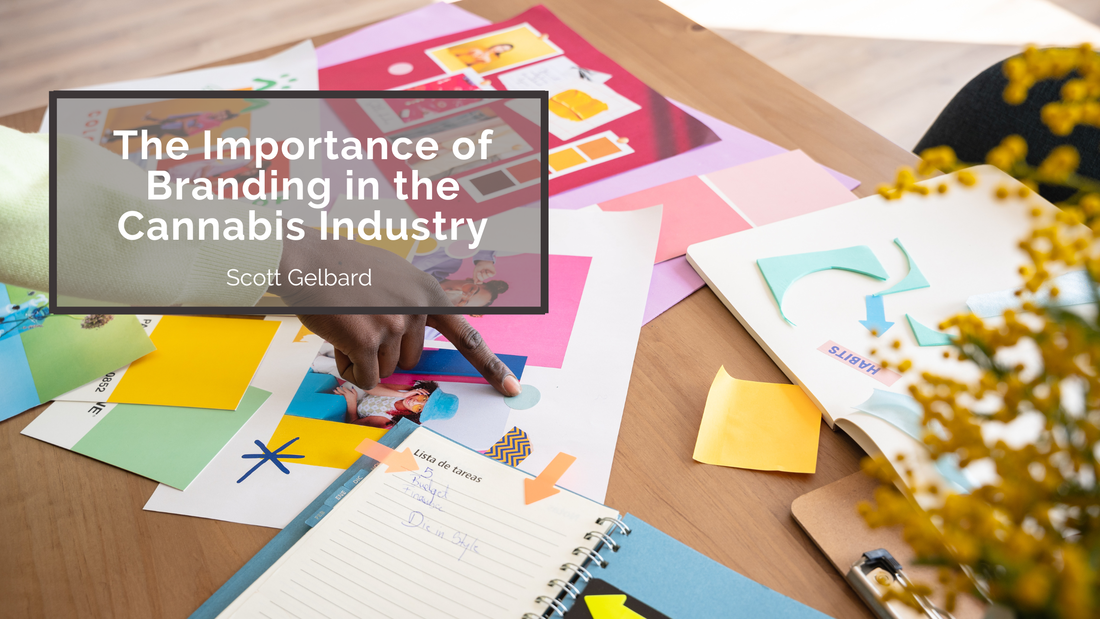 Branding is critical to building a successful cannabis business in today's competitive market. With the industry continuing to grow and evolve, entrepreneurs must differentiate themselves and build a strong brand identity to stand out. In this article, we'll explore the importance of branding in the cannabis industry and provide tips for building a successful brand.
Differentiation One of the most important reasons to prioritize branding in the cannabis industry is differentiation. With so many new businesses entering the market every year, it can take time for entrepreneurs to stand above the competition and attract customers. A strong brand identity can differentiate your business and make it more memorable to potential customers. Building Trust Trust is critical to a successful business; the cannabis industry is no exception. Brand identity can help build trust by communicating your values, mission, and commitment to quality. Additionally, a strong brand can help establish your business as a leader and build credibility with potential partners and investors. Creating a Memorable Experience A strong brand can also help you create a memorable customer experience. By developing a unique and consistent brand identity across all touchpoints, from packaging and marketing materials to store design and customer service, you can create a cohesive and memorable experience that sets your business apart. Connecting with Customers Branding is also an essential tool for connecting with customers in the cannabis industry. You can build a base and create a community around your business by developing a brand identity that resonates with your target audience. A strong brand can help you communicate with your customers and understand their needs and preferences.  International consulting offers unique opportunities for professionals to work across borders, cultures, and industries, helping organizations navigate global challenges and expand their operations in foreign markets. Whether you're a seasoned consultant or aspiring to break into the field, here are several key considerations to keep in mind about international consulting:
Cultural Sensitivity and Adaptability: Cultural sensitivity and adaptability are among the most critical aspects of international consulting. Consultants must navigate cultural differences, customs, and communication styles effectively to build rapport and trust with clients and stakeholders from diverse backgrounds. Understanding cultural nuances and adapting your approach is essential for successful collaboration and achieving desired outcomes in international consulting engagements. Global Market Knowledge: International consultants must deeply understand global markets, industry trends, regulatory environments, and geopolitical factors that may impact their clients' businesses. Stay informed about economic developments, market dynamics, and emerging opportunities in regions where you operate or plan to offer consulting services. Language Proficiency: Fluency in multiple languages can be valuable for international consultants, enabling effective communication with clients, stakeholders, and team members from different linguistic backgrounds. While only sometimes mandatory, proficiency in languages commonly spoken in target markets can enhance your credibility, facilitate relationship-building, and open doors to new opportunities. Cross-Cultural Communication Skills: Effective cross-cultural communication fosters collaboration, resolves conflicts, and builds strong relationships in international consulting engagements. Consider how cultural differences affect decision-making processes, nonverbal clues, and communication styles, and modify your communication strategy accordingly. Legal and Regulatory Compliance: A key component of international consulting is navigating legal and regulatory obligations since these differ significantly between nations. Familiarize yourself with relevant international laws, trade agreements, tax regulations, and compliance standards that may impact your consulting engagements. Travel and Logistics: International consulting often involves extensive travel and logistical challenges, including visa requirements, transportation, accommodation, and time zone differences. Be prepared to travel frequently and adapt to changing environments and schedules while maintaining productivity and efficiency. Building Global Networks: Building and nurturing global networks is essential for success in international consulting, as it enables you to access new markets, connect with potential clients and partners, and stay informed about industry trends and developments. Attend international conferences, trade shows, and networking gatherings to broaden your professional network and create meaningful relationships with global decision-makers and leaders in business. International consulting offers exciting opportunities for professionals to work on diverse projects, collaborate with clients from around the world, and make a meaningful impact on global business outcomes. By cultivating cultural sensitivity, international market knowledge, language proficiency, cross-cultural communication skills, legal and regulatory compliance, travel and logistics management, and building global networks, consultants can navigate the complexities of international consulting and deliver value to clients in an increasingly interconnected world.  Cannabis has found its way into a variety of products, including topical creams. These creams, infused with cannabinoids like CBD (cannabidiol) and sometimes THC (tetrahydrocannabinol), have gained popularity for their potential to provide localized relief without the psychoactive effects associated with ingesting cannabis. Here's a closer look at how cannabis is used as a topical cream and the potential benefits it offers.
1. Targeted Pain Relief: One main reason individuals use cannabis-infused topical creams is for targeted pain relief. Whether it's chronic pain, arthritis, or sore muscles, applying a cannabis-infused cream directly to the affected area allows cannabinoids to interact with localized receptors in the skin and underlying tissues. This targeted approach may provide relief without affecting the entire body. 2. Anti-Inflammatory Properties: Both CBD and THC exhibit anti-inflammatory properties, making cannabis-infused creams effective for reducing inflammation associated with various conditions, such as arthritis or injuries. By applying the cream directly to inflamed areas, users may experience localized relief and a reduction in swelling. 3. Muscle Recovery and Relaxation: Athletes and fitness enthusiasts are turning to cannabis-infused creams to aid in muscle recovery and relaxation. The cannabinoids in these creams may help alleviate post-exercise muscle soreness and tension. The localized application allows for a more immediate and specific impact on the muscles. 4. Skin Conditions: Cannabis-infused creams are also gaining attention for their potential benefits in addressing certain skin conditions. CBD, in particular, is known for its soothing and anti-inflammatory effects on the skin. Users with conditions like eczema, psoriasis, or dermatitis may find relief from symptoms by applying a cannabis-infused cream directly to affected areas. 5. Neuropathic Pain Management: Neuropathic pain, often associated with conditions like neuropathy or nerve damage, can be challenging to treat. Cannabis-infused creams, when applied to the affected nerve pathways, may offer relief from neuropathic pain. The localized application allows cannabinoids to interact with peripheral nerves, potentially reducing pain signals. 6. Minimal Systemic Absorption: Unlike oral consumption or inhalation, topical application of cannabis-infused creams minimizes systemic absorption. This means that users can experience the potential gains of cannabis without the effects of THC. The creams are designed to interact with receptors in the skin without entering the bloodstream at significant levels. 7. Ease of Use: Cannabis-infused creams are easy to incorporate into daily routines. Users can apply the cream as needed to specific areas, allowing for convenient and discreet use. The ease of application makes these creams a practical choice for individuals seeking targeted relief without the need for additional equipment or preparation. 8. Customized Formulations: As the cannabis industry evolves, companies are developing a variety of formulations to cater to different needs. Consumers can choose creams with varying concentrations of cannabinoids to suit their preferences and the severity of their symptoms. Some formulations may also include additional botanical ingredients known for their soothing or analgesic properties. Caution and Considerations: It's essential for individuals considering the use of cannabis-infused creams to exercise caution. While these creams are generally well-tolerated, you should start using them in small amounts and monitor your body's response. As always, consult with a doctor before incorporating a new product into your wellness routine, especially if you have any pre-existing health conditions or take medications.  Embarking on a career as a consultant is an exciting venture, but it is important to establish a solid legal foundation to ensure a smooth and compliant operation. Taking the right legal steps from the outset can safeguard your business and set you on the path to success.
Determine Your Business Structure: One of the first decisions you'll need to make is the legal structure of your consulting business. Each possible structure has its own legal implications, affecting taxation, liability, and management. Consult with a business attorney to determine the most suitable structure for your consulting practice. Choose a Unique Business Name: Choosing your business name is essential for branding and marketing. However, before settling on a name, check its availability and register it to ensure it hasn't been trademarked by another business. This step helps you avoid legal conflicts and establishes your brand identity from the start. Register Your Business: Register your consulting business with the appropriate government authorities. You'll need to register your business name and get a business license. The specific requirements vary by location, so research and comply with the registration procedures in your city or state. Obtain Necessary Permits and Licenses: Certain permits or licenses may be needed to operate legally in your town of residence. Check with local regulatory bodies to identify any industry-specific requirements. For instance, consultants in fields like finance or health may need additional certifications or licenses to practice. Secure Professional Liability Insurance: As a consultant, professional liability insurance, also known as errors and omissions (E&O) insurance, is crucial. This insurance protects you in case of allegations. Having this coverage can provide financial protection and enhance your credibility. Draft Clear Contracts: Develop comprehensive contracts that outline the scope of your consulting services, deliverables, timelines, and payment terms. A well-drafted contract helps manage expectations, reduces the risk of disputes, and provides legal recourse in case of disagreements. Consider having contracts reviewed by a legal professional to ensure they comply with local laws. Establish Clear Payment Terms: Clearly define your payment terms in your contracts, specifying rates, invoicing schedules, and payment methods. This helps avoid misunderstandings and ensures that you are compensated fairly for your services. Late payment fees and interest clauses can also be included to encourage timely payments. Protect Your Intellectual Property: If you develop proprietary methodologies, tools, or content as part of your consulting services, consider how to protect your intellectual property. This may involve copyrighting materials, implementing confidentiality clauses in contracts, or using non-disclosure agreements (NDAs) when sharing sensitive information with clients. Comply with Tax Obligations: Understand your tax obligations as a consultant, including income taxes, self-employment taxes, and any applicable state or local taxes. Keep records of your income and expenses, and seek tips from a financial advisor to help you organize this. Consult with Legal Professionals: Engage with legal professionals, such as business attorneys or consultants with legal expertise, to navigate the complexities of starting a consulting business. They can provide excellent advice based on your specific industry and location, ensuring that you are aware of and following any laws and regulations that impact you. Taking the time to address these legal considerations as you launch your consulting business sets a strong foundation for long-term success. By prioritizing legal compliance, you can focus on delivering exceptional consulting services without unnecessary legal hurdles along the way.  A wide range of variables determines a hockey player’s excellence. A good legacy requires more than just goals, assists, and victories. Stats are good indicators, but other aspects can’t be recorded on a sheet regarding how a player affects the game on the ice. Certain NHL players are easily considered to be among the best players of all time.
WAYNE GRETZKY The definition of excellence is Wayne Gretzky. As a leader within the Big Four – MLB, NBA, NFL, and NHL, Gretzky is known as The Great One for having more points and career assists than any other player in NHL history, 894 and 1,963, respectively. Four Stanley Cup victories, nine Hart Trophies, ten Art Ross Trophies, and participation in 18 All-Star Games were all accomplished by him. GORDIE HOWE Known as Mister Hockey Before The Great One arrived, Gordie Howe became the first player to achieve 800 goals in a career. Through 26 NHL seasons, he played a 20-goal season for 23 straight years and a 15-goal season at 52. Howe finished with 801 goals and 174 more goals across six WHA campaigns. After 1,767 games, nobody has played more than Howe, who also has six MVP honors, six scoring crowns, and four Stanley Cup victories to his credit. BOBBY ORR Bobby Orr suffered from injuries often and may have had a more successful career under favorable circumstances. Orr only played for ten seasons, scoring 888 points in only 631 games. Despite this, Orr won the league scoring title in the 1969–70 season with 120 points while playing defense. Six times throughout his career, he scored more than 100 points. Orr also won eight straight Norris Trophies for being the best defenceman in the NHL. MARIO LEMIEUX Lemieux was as physically talented as they come. He was one of the league’s greatest goal scorers in league history. He and Wayne Gretzky are the only other players to score 69 goals four times each. Lemieux also has 199 points, which ranks seventh most in a single season. Lemieux concluded his playing career with 1,723 points, three Hart Trophies, two Stanley Cups, and nine All-Star selections. MARTIN BRODEUR With over 700 victories at the end of his record-breaking tenure, Martin Brodeur played in almost 200 games and has the most shutouts in his career of any goalkeeper. He also contributed three incredible goals and three Stanley Cup victories with the New Jersey Devils. This article was originally published at scottgelbard.org.  The cannabis market is expanding quickly. The U.S. cannabis business earned roughly $10.8 billion in 2021, and from 2022 to 2030, the market is expected to expand by 14.9% per year. Businesses that focus on edibles and vape products are in great demand. There is plenty of opportunity for individuals to create a substantial business opportunity, as creative brains, distinctive goods, and distribution systems will keep moving forward with time. This has inspired a number of CEOs and entrepreneurs to launch their own businesses. Many who have tried have faced the harsh reality that being a cannabis CEO is far from glamorous.
There isn’t a standard cannabis business model to follow since the sector is still developing. This makes it difficult to strike the ideal balance between saving for the future and investing back into the business. A number of companies choose to engage in aggressive product promotion at the beginning but cannot develop their operations afterward due to a lack of funds. Laws, regulations, and licensing requirements exist for the industry, in addition to mountains of unchartered legal territory. As a result, starting a profitable cannabis company is considered a risky and challenging endeavor. One of the biggest obstacles facing prospective cannabis leaders is a lack of funding for new ventures. According to the Controlled Substances Act, marijuana is a Schedule I drug, which means it is considered to have a high potential for abuse, no recognized medical use in treatment in the United States, and no recognized safety for use while being monitored by a doctor. Cannabis-related businesses exist in many different sizes and types. There are grow operations, dispensaries, distribution centers, transportation enterprises, and technology firms that design software for the dispensaries and high-tech grow facilities. Laboratories are required for analyzing the genetics and strength of cannabis flowers, extractors are required for gathering oils, and continuous research is needed to shed light on the intricacies of using cannabis for medicinal purposes. Being a cannabis CEO means wearing various hats simultaneously. In addition to being in charge of developing the rules and processes for the firm, a CEO is tasked with strategic planning, daily operations, financial concerns, and marketing. Due to the continuous rapid shifts in the industry, CEOs must also be extremely flexible and able to function in an uncertain environment. Businesses must be structured to scale up or down on the fly. In addition to the hard skills necessary to run a successful business, interpersonal skills are mandatory as well. CEOs must be able to establish and maintain strong relationships with all parties involved, ranging from growers and suppliers to oversight bodies and clientele. What might be deemed appropriate and professional for one group may seem off-putting or insulting to another. This article was originally published at scottgelbard.com. |
AuthorWrite something about yourself. No need to be fancy, just an overview. Archives
July 2024
Categories |
 RSS Feed
